Category: Uncategorized

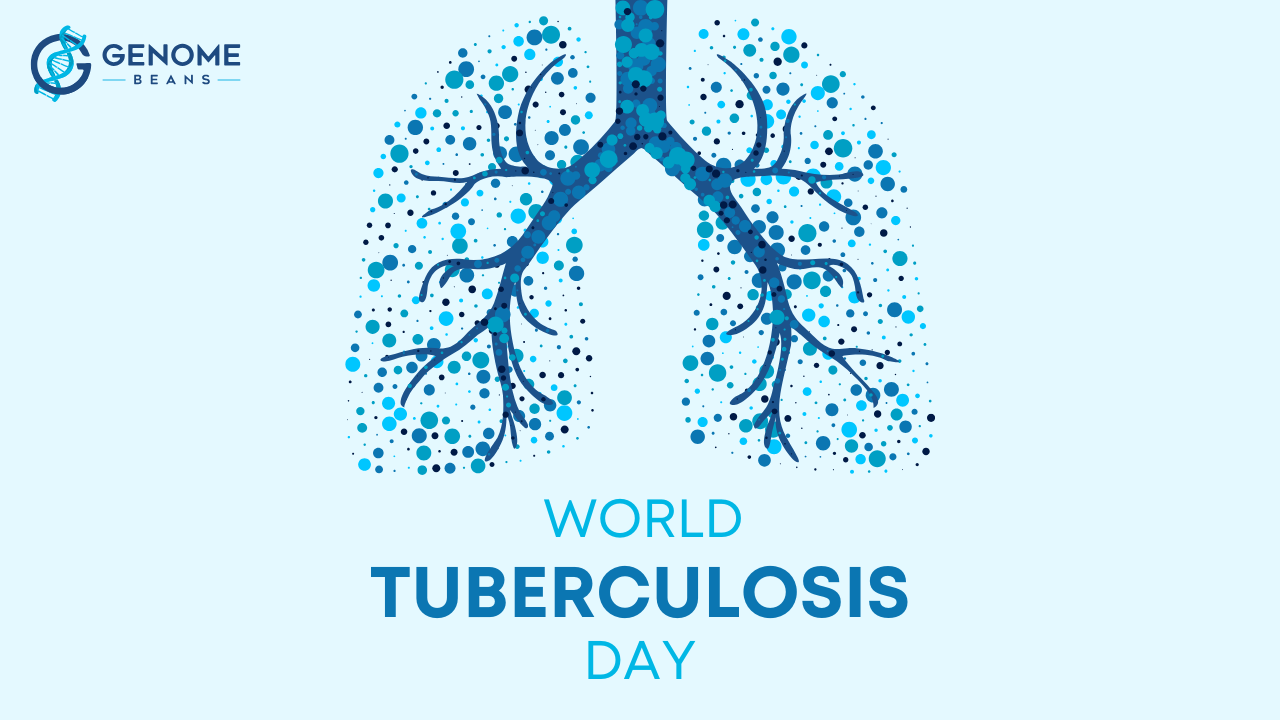
  • Tuberculosis: Deadly Blind Spot of Modern Medicine

    Tuberculosis: Deadly Blind Spot of Modern Medicine

    A disease older than civilisations that continues to claim lives. Tuberculosis is caused by Mycobacterium tuberculosis, a bacteria that has coexisted with humans for over 70,000 years.
    When an infected person coughs, sneezes, or speaks, they release microscopic droplets 1 to 5 microns wide carrying live bacteria into the air. A single person can expose up to 15 close contacts annually.

    How Tuberculosis Spreads and Survives

    Once inside the body, the infection presents in three distinct forms:

    Latent TB : The bacteria are confined in granulomas within lung tissue by the immune system making individual an asymptomatic carrier. A quarter of the global population carries latent TB.
    Active TB: When the immune system weakens, latent infection can progress to a contagious, symptomatic form that results in:

    • Cough accompanied with blood (hemoptysis) caused by lung tissue damage
    • Fever, chills, and night sweats
    • Significant weight loss

    Extrapulmonary TB: Affects about 15–20% of active cases; infection spreads to other body parts such as the spine, kidneys, lymph nodes, or brain making it harder to diagnose and treat.

    World Neglects and Patients Suffer

    In 2024 alone, approximately 10.7 million new cases and 1.23 million deaths were documented from TB. It surpasses HIV/AIDS as the world’s deadliest infectious disease.The burden falls discriminately:

    • Two-thirds of the global burden is shared by eight nations: India, Indonesia, China, Philippines, Pakistan, Nigeria, Bangladesh, and South Africa.
    • India alone accounts for roughly 26% of all TB cases worldwide.

    This isn’t random, it reflects demographic and geographical disadvantage.

    • High population density and inadequate ventilation turn homes and public places into ideal transmission environments.
    • Malnutrition weakens immunity, increasing the likelihood of advance to active disease.
    • HIV coinfection raises the risk of developing active TB by 16 times.

    This neglect persists largely because TB disproportionately affects people with least political representation: rural communities, migrant workers, prisoners and HIV patients of developing countries.

    • TB primarily strikes the economically productive 15–49 age group.
    • Affected families can lose 30% of their annual household income to medical costs and lost wages, perpetuating the cause of infection.
    • Patients face social stigma. Positive diagnosis often means losing job and social exclusion.

    Pathogen Adapted To Outsmart Medicine

    TB is preventable and curable, yet continues to be a health emergency. The following traits make M. tuberculosis exceptionally resistant:

    • A thick waxy cell wall prevents many drugs from penetrating effectively
    • Slow replication rate requires months of antibiotic treatment
    • Dormant granuloma state hides it from both the immune system and drug activity.

    Drug-susceptible TB requires a six-month uninterrupted course of four antibiotics. Irregular dosing allows bacteria to develop resistance, giving rise to clinically challenging variants:

    • MDR-TB (Multidrug-Resistant TB): Resistant to first-line drugs – isoniazid and rifampicin.
    • XDR-TB (Extensively Drug-Resistant TB): Resistant to both first and second-line drugs, reducing the chance of successful treatment to below 40%.

    Emerging Treatments Look Promising

    Xpert MTB/RIF detects active infection and rifampicin resistance in two hours, replacing culture methods that took weeks. Faster diagnosis means faster treatment initiation and reduced transmission.
    BPaLM regimen is a completely oral, six-month course combining bedaquiline, pretomanid, linezolid, and moxifloxacin. Clinical trials showed success rates above 89% for MDR-TB, replacing a two-year regimen and improving adherence and quality of life.
    3HP regimen is weekly dose of isoniazid and rifapentine for three months. It has significantly improved latent TB treatment completion compared to nine-month daily isoniazid course.

    Conclusion

    TB has been curable since the 1950s. The global R&D budget is approximately $1 billion annually, one-tenth of HIV/AIDS. Most drugs used to treat TB were developed 50 to 70 years ago. The BCG vaccine, the only licensed vaccine available, was first introduced in 1921.

    The WHO End TB Strategy targets a 90% reduction in TB deaths by 2030. Achieving this requires scientific advancement and political commitment to ensure access to treatment, address malnutrition and lack of infrastructure.
    TB has solutions. It needs the world’s full attention.


    “We cannot address Tuberculosis only with vaccines and medications. We must also address the root cause of Tuberculosis, which is injustice. Ultimately, we are the cause. We must also be the cure.”
    – John Green, Everything Is Tuberculosis (2025)
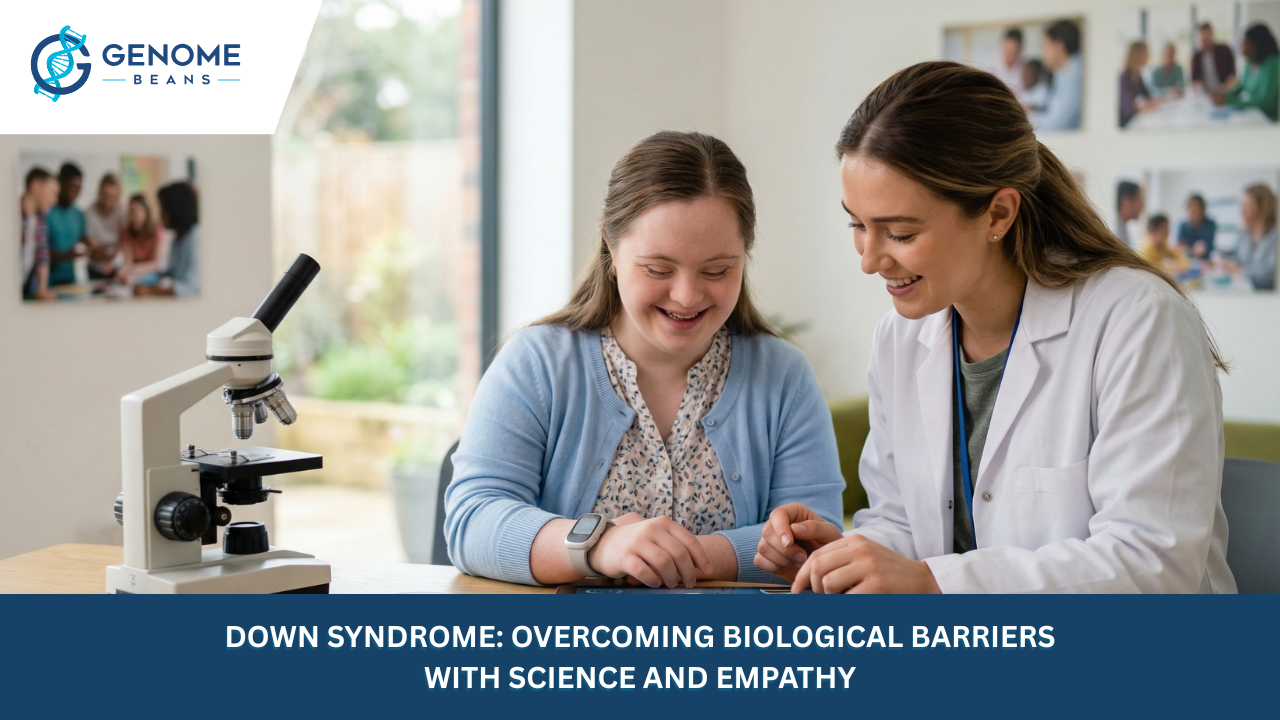
  • Down Syndrome: Overcoming Biological Barriers With Science and Empathy

    Down Syndrome: Overcoming Biological Barriers With Science and Empathy

    ” Children with Down syndrome have an extraordinary sweetness of temperament, as if in inheriting an extra chromosome they had acquired a concomitant loss of cruelty and malice.”
    – Siddhartha Mukherjee, The Gene: An Intimate History

    March 21 marks World Down Syndrome Day, the date itself reflecting Trisomy 21, the triplication of chromosome 21.

    What Is Down Syndrome ?
    Down syndrome is the most common congenital chromosomal disorder worldwide, occurring in approximately 1 in 900 live births. It arises from the presence of an extra copy of chromosome 21. There are three genetic variants:
    Trisomy 21 (~95%) — every cell carries the extra chromosome due to nondisjunction during meiosis.
    Robertsonian Translocation (~4%) — a segment of chromosome 21 fuses to another acrocentric chromosome, typically chromosome 14. A parent may be a phenotypically normal balanced carrier.
    Mosaic Trisomy 21 (~1–2%) — nondisjunction occurs post-fertilisation during early mitotic division, producing a mixed cell population. Expression is often milder.

    Risk Factors And Diagnosis
    Maternal age remains the strongest confirmed risk factor. The risk rises from approximately 1 in 1,441 at age 20 to 1 in 84 at age 40. This suggests oocytes arrested in meiosis I from birth accumulate chromosomal errors over decades.
    Indicative screening during pregnancy includes first-trimester blood tests, ultrasound markers, and Non-Invasive Prenatal Testing (NIPT). Definitive prenatal diagnosis requires amniocentesis or chorionic villus sampling. After birth, physical examination is followed by karyotyping to confirm the chromosomal profile.

    Associated Health Conditions
    Down syndrome affects multiple organ systems and requires lifelong clinical monitoring:
    Cardiac — ~40% of newborns have congenital heart disease, commonly septal defects.
    Hearing — 50–90% experience some degree of hearing loss due to recurrent middle ear infections.
    Vision — over 50% develop conditions such as cataracts and strabismus.
    Thyroid — 20–50% are affected by hypothyroidism and coeliac disease.
    Neurological — by age 65, 50–70% develop Alzheimer’s disease which is linked to the overexpression of amyloid precursor protein encoded on chromosome 21.
    Life expectancy has improved from approximately 25 years in 1983 to over 60 years today, owed to early intervention and inclusion in mainstream healthcare.

    Role Of Early Intervention
    There is no pharmacological cure for Trisomy 21, but early and consistent support substantially improves outcomes. A multidisciplinary approach begins in infancy, when neuroplasticity is at its peak. It involves:
    Speech-language therapy — improves communication and language formation.
    Occupational therapy — builds daily independence and fine motor skills.
    Physical therapy — supports muscle tone, posture, and gross motor development.
    Inclusive education — drives cognitive and social growth.
    These interventions don’t correct the cause but prepare the child to face the world with confidence.

    Living With Down Syndrome
    In 2020, Zack Gottsagen became the first actor with Down syndrome to present an Academy Award for his lead role in Peanut Butter Falcon, the highest-grossing independent film of 2019.
    People with Down syndrome navigate a world that is not built for them, and they do so with genuine curiosity and compassion. Evidence shows inclusive environments with encouraging support systems effectively improve quality-of-life indicators for them.
    Noone should be required to be perfect to be given a chance. We have come a long way in diagnosis and treatment. Society has progressed from judgement to sympathy. Now is high time we move from sympathy towards inclusion. If we are still surprised by their ability to fight genetic destiny so gracefully, it says more about our assumptions than their abilities.

  • Bioinformatics Day: Biology Made Computable One Click At A Time

    Bioinformatics Day: Biology Made Computable One Click At A Time

    When Information Technology met Biology – A match made in the 1960s

    It wouldn’t be an exaggeration to call Margaret Dayhoff, the godmother of Computational Biology while commemorating her contributions on Bioinformatics Day. Today we recall her as a pioneer in Biophysics and Bioinformatics, but back in the day she was one of few women in Science, engineering solutions to make biological information accessible. She developed Atlas – first protein sequence database, that made storage, analysis, and comparison of sequences unbelievably easy.

    Her contributions and continuous efforts of scientists and engineers in developing this discipline have made science available to every life science scholar with access to a computer in the world. Bioinformatics has come a long way from acting in a supporting role to becoming the protagonist in the story of biological research.


    Bioinformatics for the win

    Since Frederick Sanger first sequenced insulin in the 1950s, Bioinformatics has come a long way. Here are some key milestones of it’s journey:

    1. Human Genome Project (1990–2003)
      Six countries contributed to an international project that decoded the first human genome in 13 years
    2. Genome Sequencing Cost Revolution — NGS Technology (2001–2020)
      High-throughput technology reduced human genome sequencing cost from ~$100 million to under $1,000 in two decades
    3. Biological Databases — Pioneered by Margaret Dayhoff (1965)
      Atlas inspired the public nucleotide database GenBank (1982). Today, 1,700+ biological databases are the backbone of independent research globally
    4. Precision Medicine – Genomic Diagnostics in Healthcare (2015 onwards)
      Curated genomic databases and individual sequencing have enabled precision therapies in cancer, rare diseases, and cardiovascular genetics, helping in reducing the cost and side effects of treatments
    5. AI-Driven Structural Biology — AlphaFold (2021)
      AI-backed algorithms predicted 200+ million protein structures, accelerating drug discovery, vaccine research, and enzyme engineering exponentially
    6. Global Genomic Medicine and Bioinformatics Pipelines (Present)
      Over 7 million human genomes have been sequenced globally, driving population genomics, disease studies, and precision healthcare.

    India writes Bioinformatics next big chapter

    India is preparing to take the main stage of genomic and bioinformatics research, thanks to national initiatives and collaborative infrastructure. Programs like the Genome India Project have sequenced 10,000 genomes from 83–99 diverse Indian populations, creating one of the first reference datasets representing the country’s genetic diversity. This provides global representation and encourages independent niche research, particularly for conditions unique to its 1.4-billion-person population across 4,600 genetic groups.

    Growing collaboration between academic research, government initiatives, and biotechnology companies is laying the groundwork for environments to analyze large genomic datasets and translate them into diagnostics, therapeutics, and data-driven healthcare solutions.


    GenomeBeans: Bioinformatics Built for the era of NGS research

    Being a part of the Bioinformatics community, GenomeBeans upholds the spirit of scientific discovery by building innovative solutions for NGS data research. Our team of bioinformaticians and engineers has designed robust pipelines that offer frameworks for:

    • Identifying variants associated with cancer and genetic diseases
    • Exploring microbial diversity and functional proteins in environmental and human samples
    • Analyzing gene expression variation across samples
    • Profiling adaptive immune repertoire diversity using sequencing data

    We understand science is teamwork. Therefore, GenomeBeans equips researchers with the tools and strategies needed to conquer the Everest of NGS-based research. Our bioinformaticians work closely with you to understand the vision behind your study and guide you at every step, from sample data submission to interpreting results once the pipeline has completed its work.


  • Multi-Omics Integration: How Combining Data Unlocks Deeper Biological Insights

    Multi-Omics Integration: How Combining Data Unlocks Deeper Biological Insights

    Key Takeaways

    • Multi-omics brings together genomics, transcriptomics, proteomics, and metabolomics for a complete view of biology.
    • Data integration helps uncover complex molecular interactions that single-omics studies may overlook.
    • Systems biology benefits from combining diverse omics layers to map disease pathways and networks.
    • Challenges include handling large datasets, ensuring data compatibility, and building reliable bioinformatics pipelines.
    • Advances in computational tools are making omics integration more accessible and impactful in research and medicine


    Understanding Multi-Omics

    Biology is too complex to be explained by a single layer of information. While genomics reveals DNA-level variation, transcriptomics explores gene activity, proteomics captures protein dynamics, and metabolomics studies metabolic changes. Multi-omics integration combines these layers, offering a more holistic view of biological systems.

    The Value of Data Integration

    When analysed together, these data types can reveal how DNA variants affect gene expression, how proteins translate those signals, and how metabolites reflect physiological outcomes. This layered approach provides insights into disease mechanisms, treatment responses, and potential therapeutic targets.

    Applications in Systems Biology

    Systems biology thrives on omics integration. Researchers can map cellular pathways, detect biomarkers, and identify molecular interactions that drive health and disease. For example, combining genomics with metabolomics can highlight how genetic variation influences metabolism, improving our understanding of complex conditions like cancer or diabetes.

    Challenges and Advances

    The biggest hurdles include managing massive datasets, aligning data formats, and ensuring accurate cross-omics comparisons. However, progress in bioinformatics and computational frameworks is helping researchers overcome these barriers. With improved algorithms and integration tools, scientists can better interpret biological data and apply findings in clinical and translational research.

    Conclusion

    Multi-omics integration is reshaping modern biology by connecting data layers that were once studied in isolation. By uniting genomics, transcriptomics, proteomics, and metabolomics, researchers gain a deeper understanding of life’s complexity. Although challenges remain, advances in data analysis and computational tools are steadily bridging the gap, paving the way for new discoveries in health and disease.